

How Mentorship, Spa Training & Leadership Courses in London Build Long-Term Careers
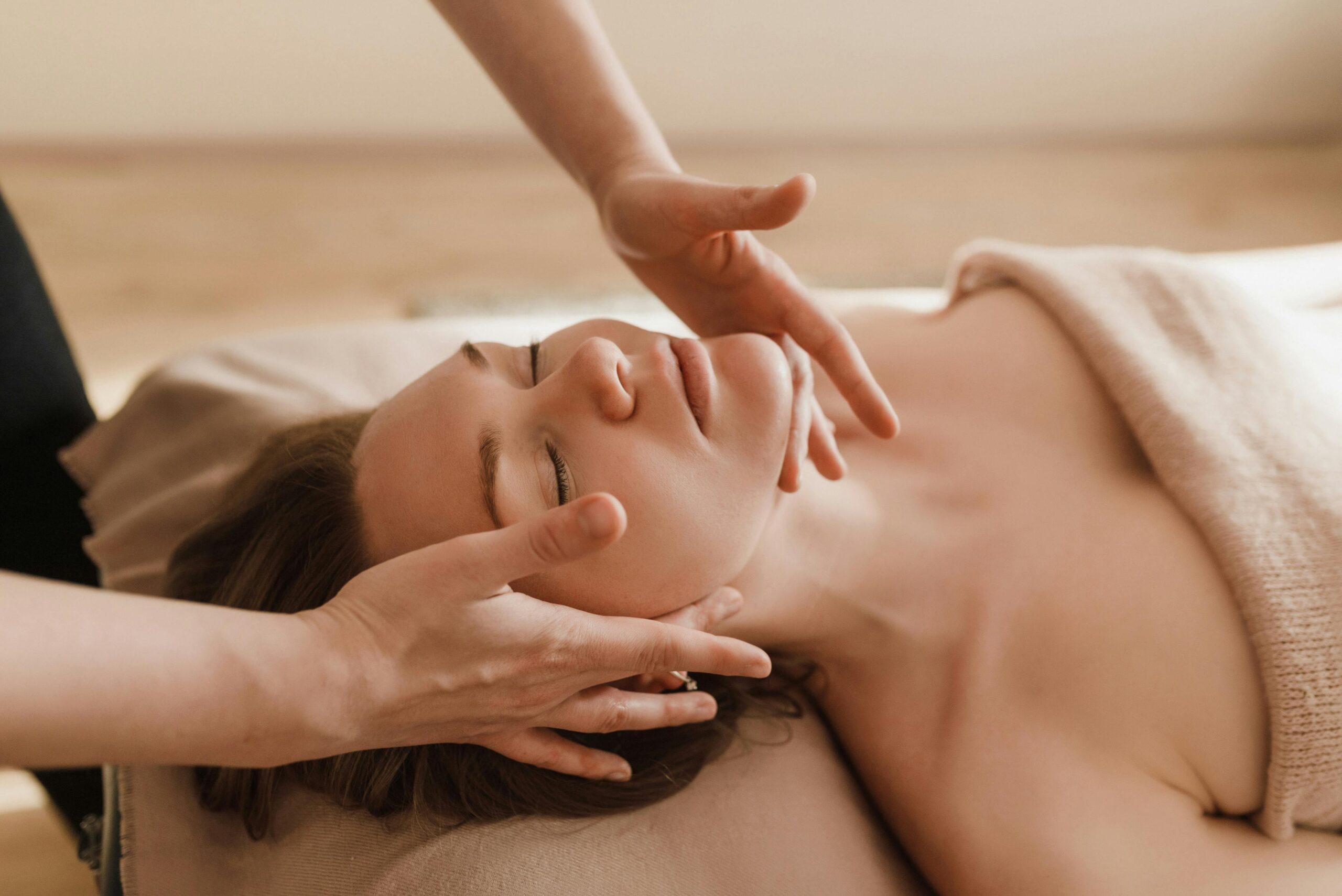
The beauty industry has evolved dramatically beyond traditional salon services. Today’s successful beauty professionals need more than technical expertise they require leadership skills, business acumen, and the guidance of experienced mentors to build sustainable, long-term careers. In London’s competitive beauty landscape, these additional capabilities often determine who thrives and who merely survives.
Modern clients expect exceptional experiences, not just treatments. They seek professionals who understand wellness holistically, communicate effectively, and deliver consistent value. This shift has created demand for beauty professionals who combine technical competence with leadership abilities, business understanding, and the confidence that comes from quality mentorship.
At LITC, we recognize that sustainable beauty careers require comprehensive development beyond traditional training. Our approach integrates mentorship programs, advanced spa training, and leadership development to prepare professionals for long-term success in London’s dynamic beauty industry. This holistic model addresses the real-world challenges and opportunities that define modern beauty careers.
The Changing Face of Beauty Careers
From Technical Skills to Business Acumen
Traditional beauty training focused primarily on technical proficiency, mastering treatments, understanding products, and meeting basic safety standards. While these foundations remain essential, today’s professionals must also understand business operations, financial management, and strategic planning to advance their careers significantly.
Successful beauty professionals now need to analyze market trends, develop pricing strategies, and create compelling service offerings that differentiate them from competitors. They must understand profit margins, cost control, and revenue optimization to contribute meaningfully to business success or establish their own ventures.
The most successful practitioners combine technical excellence with entrepreneurial thinking, whether they work as employees or business owners. This shift requires training that addresses both practical skills and business fundamentals, preparing professionals for leadership roles throughout their careers.
Client Expectations and Service Standards Evolution
London clients increasingly expect personalized experiences that address their individual needs, preferences, and lifestyle requirements. They want professionals who listen actively, provide expert advice, and deliver consistent results within welcoming, professional environments. These expectations require advanced consultation skills, emotional intelligence, and the ability to build lasting relationships.
Modern service delivery also involves digital integration, from online booking systems and social media engagement to digital payment processing and virtual consultations. Professionals must adapt to technological changes while maintaining the personal touch that distinguishes quality beauty services.
The emphasis on wellness and holistic health has expanded treatment expectations beyond appearance enhancement to stress reduction, self-care, and overall well-being. This evolution requires broader knowledge and the ability to integrate multiple approaches for comprehensive client care.
The Power of Mentorship in Beauty Industry Development
What Effective Beauty Industry Mentorship Looks Like
Effective mentorship in the beauty industry goes beyond technical instruction to include career guidance, professional development, and personal growth support. Quality mentors share real-world experience, provide honest feedback, and help mentees navigate industry challenges while building confidence and professional identity.
Successful mentorship relationships involve regular communication, goal setting, and progress review. Mentors help mentees identify strengths and development areas, create action plans for skill building, and make strategic career decisions based on industry insights and market opportunities.
The most valuable mentors also provide networking opportunities, introducing mentees to industry contacts, potential employers, and collaboration partners. These connections often prove crucial for career advancement and business development throughout a professional’s journey.
Benefits for Emerging Professionals
Mentorship accelerates professional development by providing access to experienced guidance and industry knowledge that would take years to acquire independently. Mentees learn from their mentors’ successes and mistakes, avoiding common pitfalls while capitalizing on proven strategies for career advancement.
Professional confidence grows significantly through mentorship relationships. Having an experienced professional believe in your potential and provide encouragement during challenging periods builds resilience and persistence essential for long-term success. This emotional support often proves as valuable as practical advice.
Mentorship also expands professional perspectives by exposing mentees to different business models, career paths, and industry sectors. This broader understanding helps professionals make informed decisions about their career direction and identify opportunities they might otherwise overlook.
Professional Spa Training in London: Beyond Basic Treatments
Comprehensive Spa Operations and Management
Modern spa training must address facility management, health and safety compliance, inventory control, and staff coordination. These operational skills are essential for professionals seeking management roles or planning to establish their own spa businesses. Understanding these fundamentals also makes therapists more valuable employees who can contribute beyond treatment delivery.
LITC’s spa training programs cover real-world operational challenges including appointment scheduling, customer flow management, and service quality assurance. Students learn to balance client satisfaction with business efficiency, ensuring profitable operations while maintaining high service standards.
Revenue optimization strategies form another crucial component, teaching professionals how to maximize treatment room utilization, develop packages that encourage repeat visits, and implement retail strategies that enhance client value and business profitability.
Client Journey Design and Experience Optimization
Successful spa operations depend on carefully designed client experiences that begin before arrival and continue after departure. Professionals learn to map client touchpoints, identify experience enhancement opportunities, and create seamless service delivery that exceeds expectations consistently.
This training includes consultation techniques that uncover client needs, preferences, and concerns while building trust and rapport. Students practice active listening, empathetic communication, and solution-oriented thinking that transforms one-time visitors into loyal, long-term clients.
Experience design also involves understanding how environment, atmosphere, and service flow impact client satisfaction. Professionals learn to create welcoming spaces, manage timing effectively, and deliver consistent experiences regardless of staff changes or operational challenges.
Leadership Development for Beauty Professionals
Essential Leadership Skills in Beauty Settings
Leadership in beauty environments requires unique skills that balance technical excellence with people management, customer service, and business development. Effective leaders inspire teams, maintain service standards, and drive business growth while creating positive working environments that support professional development.
Communication skills prove fundamental, as beauty leaders must interact effectively with diverse stakeholders including staff, clients, suppliers, and business partners. This includes difficult conversations, conflict resolution, and performance management that maintains relationships while addressing issues constructively.
Decision-making capabilities are equally important, as beauty leaders face constant choices about staffing, service offerings, pricing, and business strategy. Training helps professionals develop analytical thinking, risk assessment, and strategic planning skills that support sound business decisions.
Team Management and Staff Development
Successful beauty businesses depend on motivated, skilled teams that deliver consistent service excellence. Leadership training teaches professionals how to recruit effectively, onboard new staff, and create development programs that build capabilities while reducing turnover.
Performance management in beauty settings involves balancing individual goals with team objectives and business requirements. Leaders learn to set clear expectations, provide regular feedback, and recognize achievements while addressing performance issues promptly and fairly.
Creating positive workplace cultures that support professional growth and job satisfaction becomes increasingly important in competitive employment markets. Leadership development covers motivation techniques, team building, and culture creation that attracts and retains quality staff.
LITC’s Integrated Approach to Career Development
Our comprehensive approach recognizes that sustainable beauty careers require continuous development across multiple dimensions. LITC’s professional development programs integrate technical training with mentorship opportunities, leadership development, and business skills that prepare graduates for long-term success.
Mentorship programs connect students with experienced industry professionals who provide guidance, support, and networking opportunities throughout training and beyond. These relationships often continue for years, providing ongoing career support and professional development guidance as careers evolve.
Our spa training combines technical excellence with business fundamentals, ensuring graduates understand both treatment delivery and operational requirements. This comprehensive preparation makes our graduates valuable employees and confident entrepreneurs who can succeed in various professional settings.
Leadership courses are tailored specifically for beauty industry contexts, addressing the unique challenges and opportunities that characterize this dynamic sector. Students learn from real-world case studies and practice scenarios that reflect actual workplace situations they’ll encounter throughout their careers.
Our ongoing support services extend beyond graduation to include career guidance, professional networking opportunities, and continuing education that keeps alumni current with industry developments and career opportunities.
Building Sustainable Beauty Careers in London
Career Pathway Planning and Goal Setting
Sustainable beauty careers require strategic planning that considers personal interests, market opportunities, and long-term industry trends. Professionals benefit from regular career review and goal adjustment that keeps their development aligned with changing circumstances and emerging opportunities.
Effective career planning involves understanding different pathways within the beauty industry, from specialist technician roles to management positions and business ownership. Each path requires different skills, experiences, and preparation, making early planning essential for targeted development.
Professional development planning should include both short-term objectives and long-term vision, with regular milestone review and strategy adjustment. This approach ensures continuous progress while maintaining flexibility to adapt to changing circumstances and opportunities.
Professional Network Development Strategies
Building strong professional networks provides access to opportunities, industry insights, and collaborative partnerships that enhance career development significantly. Successful networking involves genuine relationship building rather than transactional approaches that seek immediate benefits.
London’s beauty industry offers numerous networking opportunities through professional associations, industry events, trade shows, and continuing education programs. Active participation in these activities builds visibility, credibility, and valuable connections throughout the industry.
Digital networking through social media and professional platforms complements face-to-face relationship building, enabling broader reach and ongoing communication with industry contacts. However, digital connections require nurturing through regular interaction and value sharing to develop into meaningful professional relationships.
Real-World Application: Case Studies and Success Stories
From Therapist to Spa Manager: Career Progression Examples
Many LITC graduates have successfully progressed from entry-level positions to senior management roles through strategic career development and continuous learning. These success stories demonstrate how combining technical excellence with leadership skills and business understanding accelerates career advancement.
One notable example involves a graduate who began as a beauty therapist and progressed to spa manager within three years through focused skill development, mentorship guidance, and strategic career moves. Her journey included additional training in team management, financial planning, and customer service excellence.
Another success story features a professional who leveraged LITC training and mentorship to establish a successful mobile spa service that now employs multiple therapists and serves corporate clients throughout London. This achievement demonstrates how comprehensive development supports entrepreneurial success.
Mentorship Success Stories and Long-term Impact
Our mentorship programs have produced numerous success stories that highlight the transformative impact of experienced guidance and support. Mentees consistently report increased confidence, clearer career direction, and accelerated professional development through these relationships.
Long-term tracking shows that mentored professionals achieve higher earnings, faster promotions, and greater job satisfaction compared to those who develop independently. They also demonstrate stronger leadership capabilities and are more likely to become mentors themselves, creating positive cycles of professional development.
The networking benefits of mentorship often extend beyond direct mentor-mentee relationships to include broader professional communities and ongoing collaboration opportunities that support career development throughout professionals’ working lives.
The Future of Beauty Careers: Preparing for Change
Emerging Technologies and Industry Disruption
The beauty industry continues evolving rapidly with new technologies, treatment methods, and service delivery models. Successful professionals must stay current with these developments while maintaining the personal touch that distinguishes quality beauty services from automated alternatives.
Artificial intelligence, advanced skincare technologies, and digital consultation tools are reshaping how beauty services are delivered and experienced. Professionals who understand and embrace these changes while focusing on human connection and personalized care will thrive in the evolving landscape.
Sustainability and ethical business practices are becoming increasingly important to consumers and employers. Beauty professionals need to understand these trends and incorporate sustainable practices into their work to remain relevant and competitive.
Building Professional Networks in London’s Beauty Scene
London offers exceptional networking opportunities for beauty professionals through industry associations, trade events, and professional development programs. LITC alumni networks provide ongoing connection opportunities that support career development long after graduation.
Professional associations offer membership benefits including continuing education, industry updates, and networking events that keep professionals connected with industry developments and career opportunities. Active participation in these organizations builds professional credibility and expands career possibilities.
Social media platforms provide additional networking opportunities that enable broader reach and ongoing professional relationship maintenance. However, digital networking requires strategic approach and consistent engagement to build meaningful professional relationships.
Getting Started: Choosing the Right Development Path
Self-Assessment and Career Goal Identification
Before selecting development programs, professionals should honestly assess their current skills, interests, and career aspirations. This evaluation helps identify appropriate training options and development priorities that align with personal goals and market opportunities.
Career goal setting should consider both immediate objectives and long-term vision, with flexibility to adapt as circumstances and opportunities change.
Clear goals help guide program selection and development focus while providing motivation and direction throughout the learning process.
Professional development planning benefits from expert guidance that helps identify realistic timelines, resource requirements, and potential challenges. LITC’s career advisers provide this guidance through individual consultations and ongoing support.
Investment Considerations and Return Expectations
Professional development requires significant investment in time, money, and effort, making careful planning essential for optimal returns. Consider both immediate costs and long-term benefits when evaluating different development options and providers.
Quality development programs should demonstrate clear value through graduate outcomes, industry recognition, and ongoing support services. Look for providers with strong track records, industry connections, and comprehensive approach to professional development.
Return on investment often extends beyond immediate earnings to include career satisfaction, professional recognition, and long-term career security. These broader benefits justify investment in quality development programs that support sustainable career growth.
Conclusion
The modern beauty industry rewards professionals who combine technical excellence with leadership skills, business acumen, and the confidence that comes from quality mentorship. London’s competitive market particularly values these comprehensive capabilities, making holistic professional development essential for sustainable career success.
At LITC, we understand that building lasting beauty careers requires more than traditional training. Our integrated approach combines mentorship programs, advanced spa training, and leadership development to prepare professionals for the challenges and opportunities that define modern beauty careers.
The investment in comprehensive professional development pays dividends throughout careers, providing skills, confidence, and networks that support continuous growth and adaptation. As the industry continues evolving, professionals with strong foundations in leadership, business understanding, and mentorship relationships will thrive.
Ready to build your long-term beauty career? Explore LITC’s comprehensive development programs or book a consultation to discuss your career goals and development options. Our experienced team provides guidance, support, and the comprehensive training that builds sustainable, rewarding careers in London’s dynamic beauty industry.

At LITC we are on a mission to transform lives and communities through the power of Sport, Education, Technology, and Art. Our journey began with a commitment to make a difference, and it has evolved into a thriving movement dedicated to empowering young people and inspiring positive change.